Keloid Scars Treatment
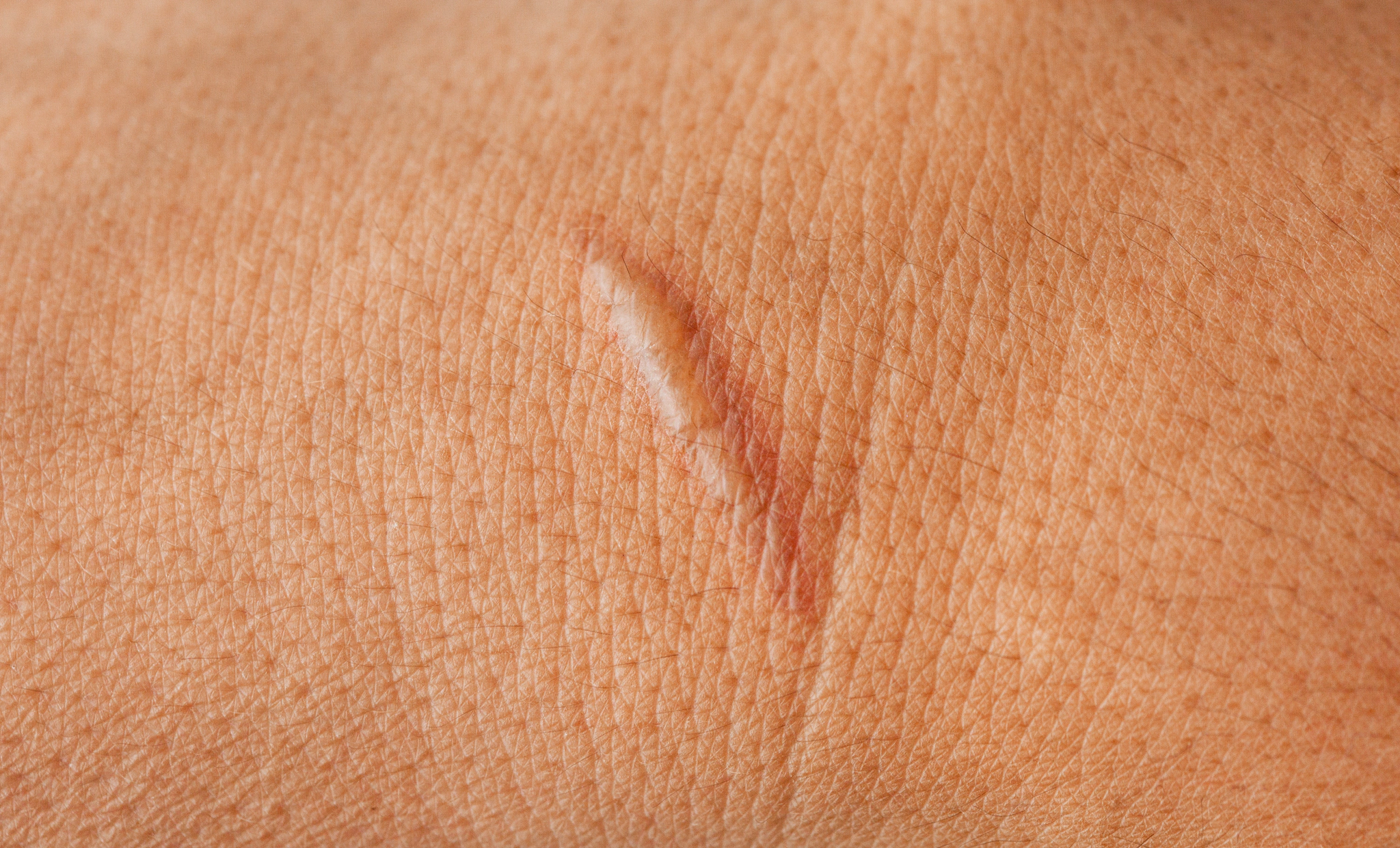
Smooth and Confident Skin: Keloid Scar Treatment Explained
Keloid scars occur when the skin heals with excessive collagen production, forming thick, raised areas that extend beyond the original wound. While not harmful, they can sometimes cause discomfort or affect one’s confidence. Modern aesthetic treatments can significantly improve their appearance, helping the skin regain a flatter, smoother texture.
Where and Why Keloids Develop
It is worth noting that keloids tend to appear in certain areas of the body more than others. They develop most commonly on the earlobes, shoulders, chest wall and back.
Their appearance can be related to the way each person’s body heals injuries, and heredity plays a decisive role: if someone has developed a keloid in the past, they are more likely to get another one after a new injury.
Apart from hereditary factors, keloids can also be triggered by a range of situations, such as:
- Trauma or burns
- Surgical procedures (e.g. caesarean section)
- Vaccinations
- Tattoos and ears piercings
- Acne and insect bites
Candidate Suitability
Keloid scar treatment may be suitable for individuals who:
- Have raised, thickened scars that extend beyond the initial site of injury or surgery.
- Experience discomfort, itching, tightness, or irritation caused by the scar.
- Want to improve the aesthetic appearance of keloid scarring on areas such as the chest, shoulders, or ears.
- Have realistic expectations about improvement rather than complete removal.
Procedure Options and Techniques
Keloid scars can be treated through a combination of surgical and non-surgical techniques. The right approach depends on the scar’s size, location, and response to previous treatments. Common options include:
- Surgical removal: For large or persistent keloids, careful surgical excision can reshape the area and flatten the scar. This method is performed intralesionally to reduce recurrence risk.
- Corticosteroid injections: These help soften and flatten the scar over a series of sessions by reducing inflammation and collagen overproduction.
- Laser therapy: Used to refine texture and reduce redness, this approach helps improve the scar’s blend with surrounding skin.
- Silicone gel applications or pressure therapy: In some cases, these can be used to support healing and reduce tension on the scar area after initial treatment.
With the right treatment plan, patients can expect noticeable improvement in the texture and appearance of their keloid scars over time. Each approach is tailored individually, ensuring that every patient receives the most suitable and effective care for their skin type and needs.
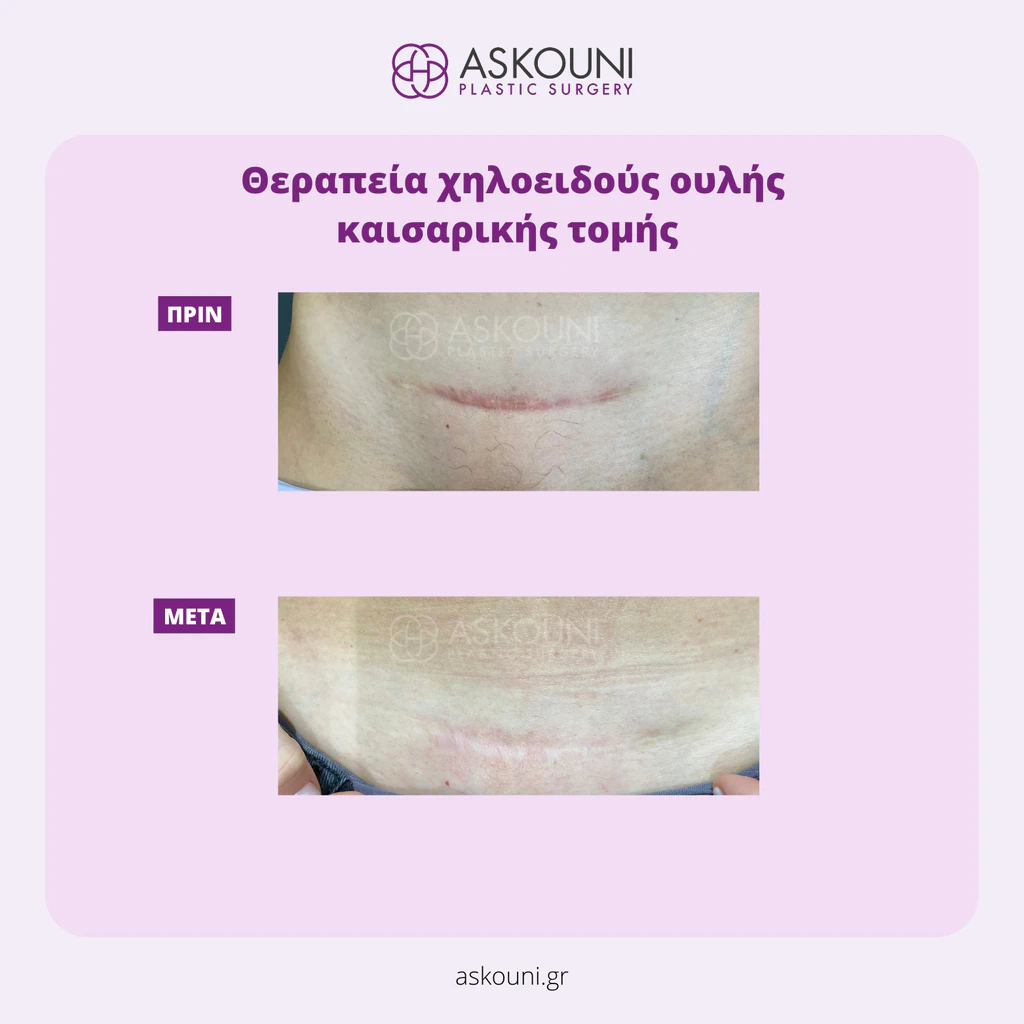
Before & After
 Google Review
Google Reviews
Google Review
Google Review
Google Reviews
Google Review
Google Review
Google Review
Google Review
Google Review
Google Reviews
Google Review
Google Review
Google Reviews
Google Review
Google Review
Google Review