Breast Augmentation

Enhance Your Confidence with Breast Augmentation
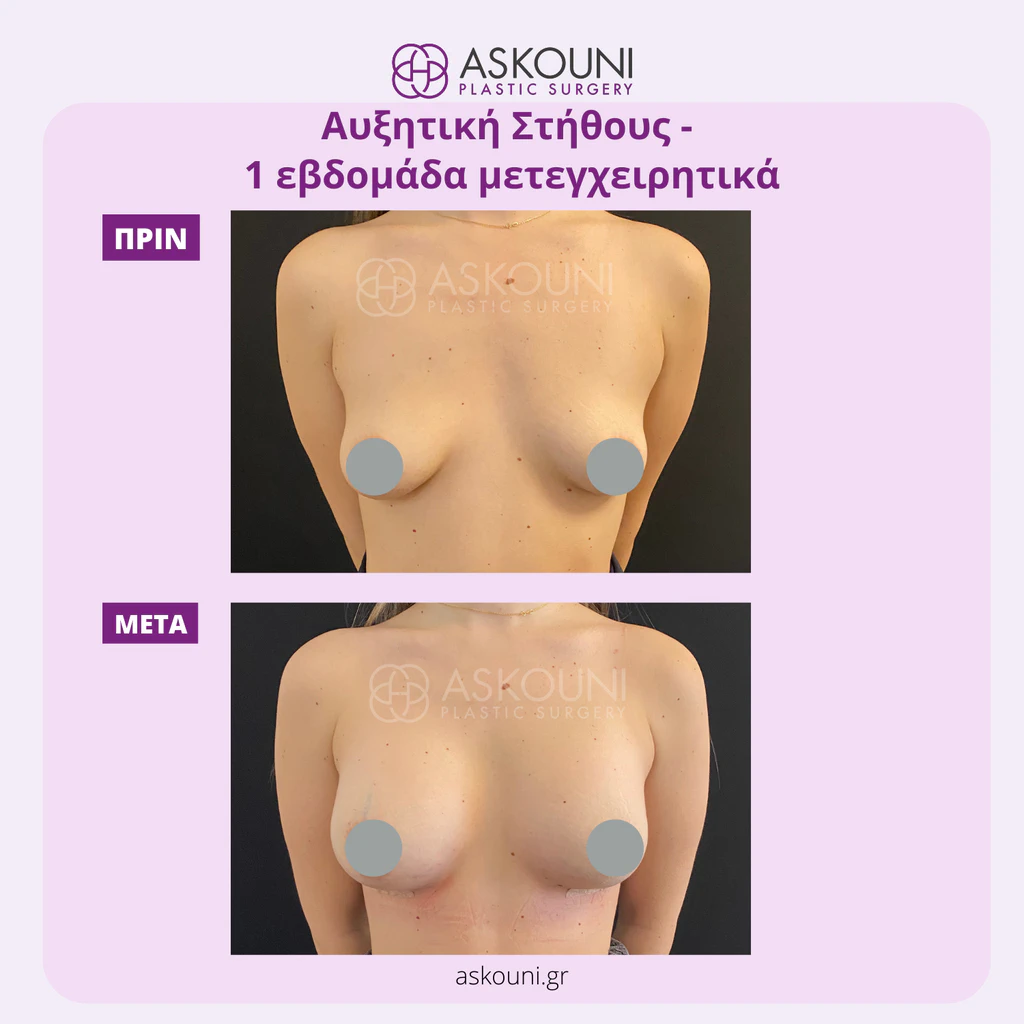
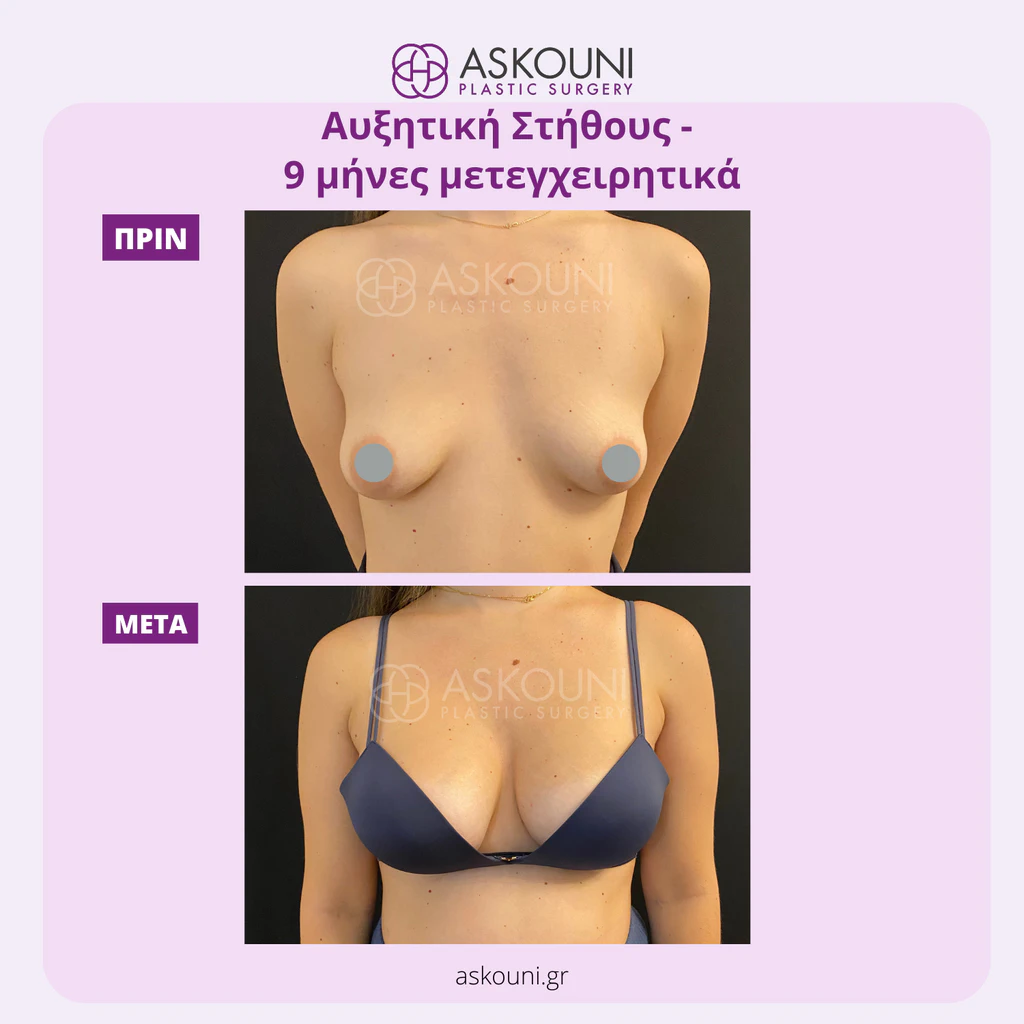
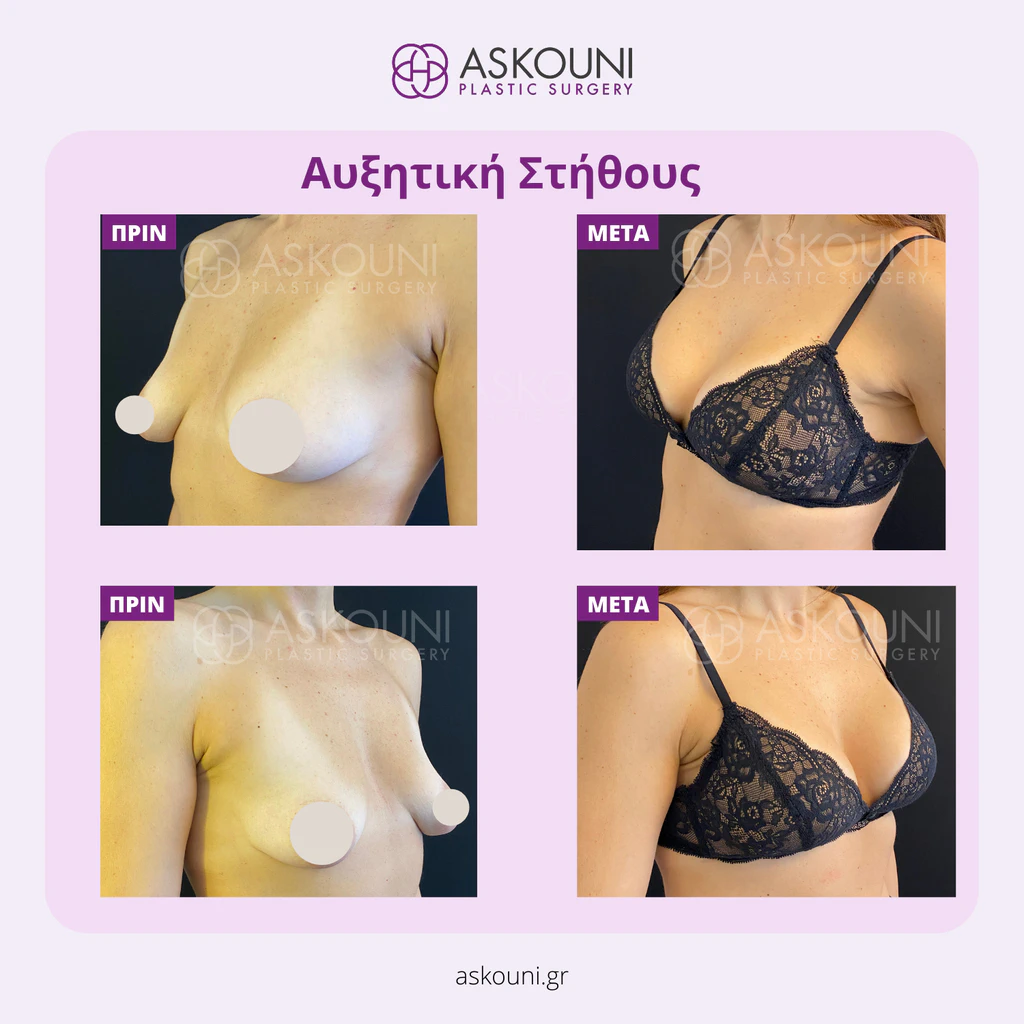
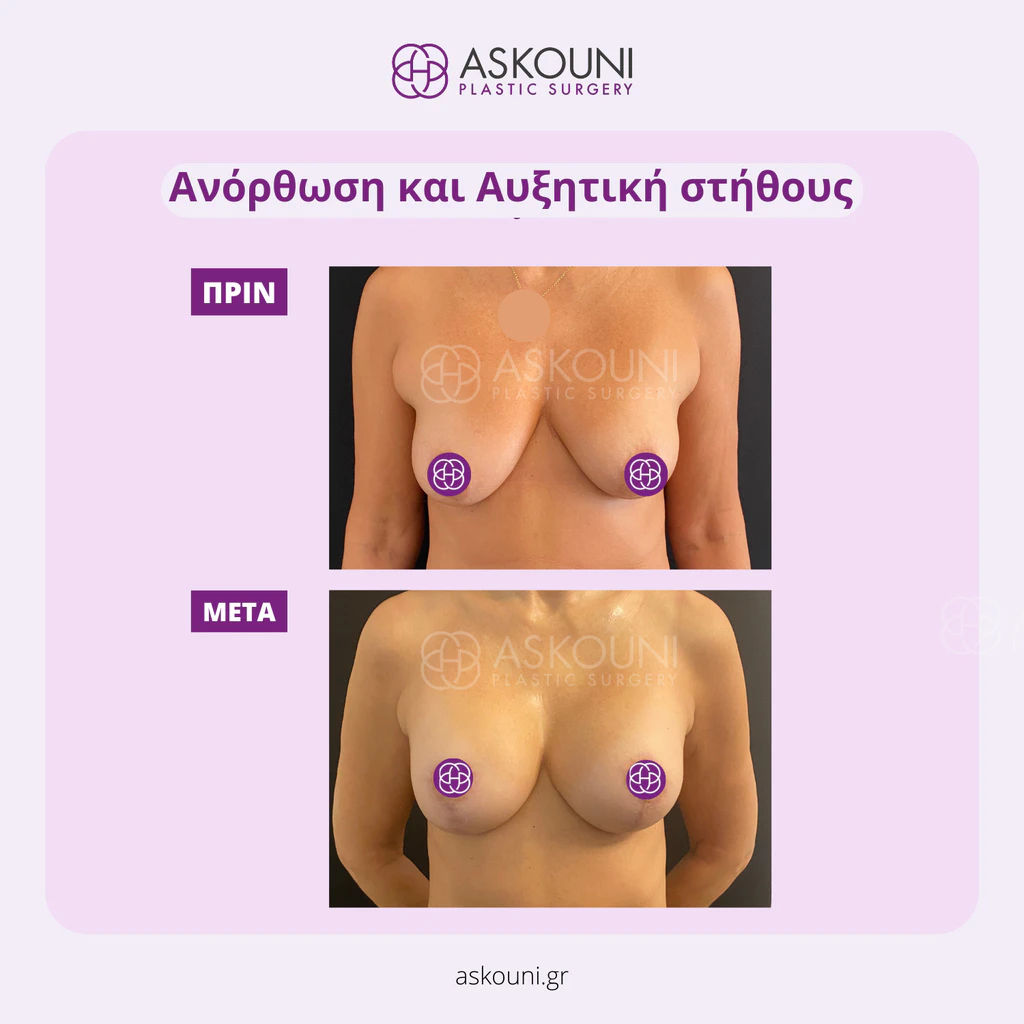
Breast augmentation with silicone gel implants enhances breast volume and contour with a natural look and feel, using round or anatomical (teardrop) options selected to suit individual anatomy and goals. The pocket plane and incision are chosen to support balanced, harmonious results without overpromising timelines or outcomes.
Candidate Suitability
Women typically consider this procedure to restore lost volume or achieve proportion that aligns with their frame, especially after weight change or pregnancy. Good tissue quality and completed breast development help support predictable implant positioning and shape.
- Individuals seeking restoration of volume after pregnancy or weight change, or wishing to enhance naturally small breasts
- Patients with breast asymmetry who may benefit from size and shape balancing
- Those with adequate skin quality and soft‑tissue coverage suitable for implant placement
- Individuals with completed breast development, aiming for proportionate results
Procedure Options and Techniques
A cohesive plan combines implant selection, pocket plane, and incision to match chest width, tissue characteristics, and aesthetic preferences. Decisions are guided by anatomical measurements for proportionate width and projection, along with meticulous pocket creation to support stability and symmetry.
- Implant type and fill: Cohesive silicone gel implants provide a soft feel, shape stability, and low gel migration
- Implant shape selection: Round for more upper‑pole fullness; anatomical (teardrop) for a gradual, natural slope
- Size and projection: Implant width and projection are matched to thoracic measurements for balanced outcomes
- Pocket plane: Dual‑plane (partial submuscular) or subglandular placement selected for coverage and contour
- Incision location: Inframammary (breast fold) or periareolar approaches chosen for access and scar placement
- Pocket creation and symmetry: Careful pocket dissection and intraoperative assessment aim for stable positioning and symmetry
- Aseptic technique: No‑touch principles and precise hemostasis help reduce contamination and bruising
Short‑term effects can include swelling or bruising and temporary nipple sensitivity changes.
Recovery and Aftercare
Early recovery focuses on comfort, incision protection, and gentle mobility while allowing the implants to settle naturally into the pocket. Return to daily activities is gradual, with activity adjustments to protect the chest during the early healing phase.
- Support and comfort: Wear a supportive postoperative bra to limit swelling and stabilise implant position
- Activity pacing: Start with gentle daily movements, then reintroduce normal activities as comfort allows
- Arm and chest use: Avoid strenuous chest strain and overhead lifting until personally advised
- Incision care: Keep incisions clean and dry, following the specific wound‑care guidance provided
- Sleep position: Rest on your back with upper‑body elevation initially to reduce pressure and swelling
- Medications: Take prescribed analgesics as directed and avoid agents that may increase bruising unless approved
- Bathing and water exposure: Protect incisions from soaking or high‑pressure water until fully sealed
- Scar maturation: Expect scars to soften and fade gradually; tailored scar‑care guidance is provided individually
- Implant settling: Early upper‑pole fullness typically softens as implants settle into position
- When to get in touch: Report increasing pain, redness, fever, or asymmetric swelling promptly
A personalised plan — covering implant selection, incision placement, pocket plane, and aftercare — will be refined during the consultation, ensuring decisions align with anatomy and goals while maintaining a professional, measured approach.
Before & After



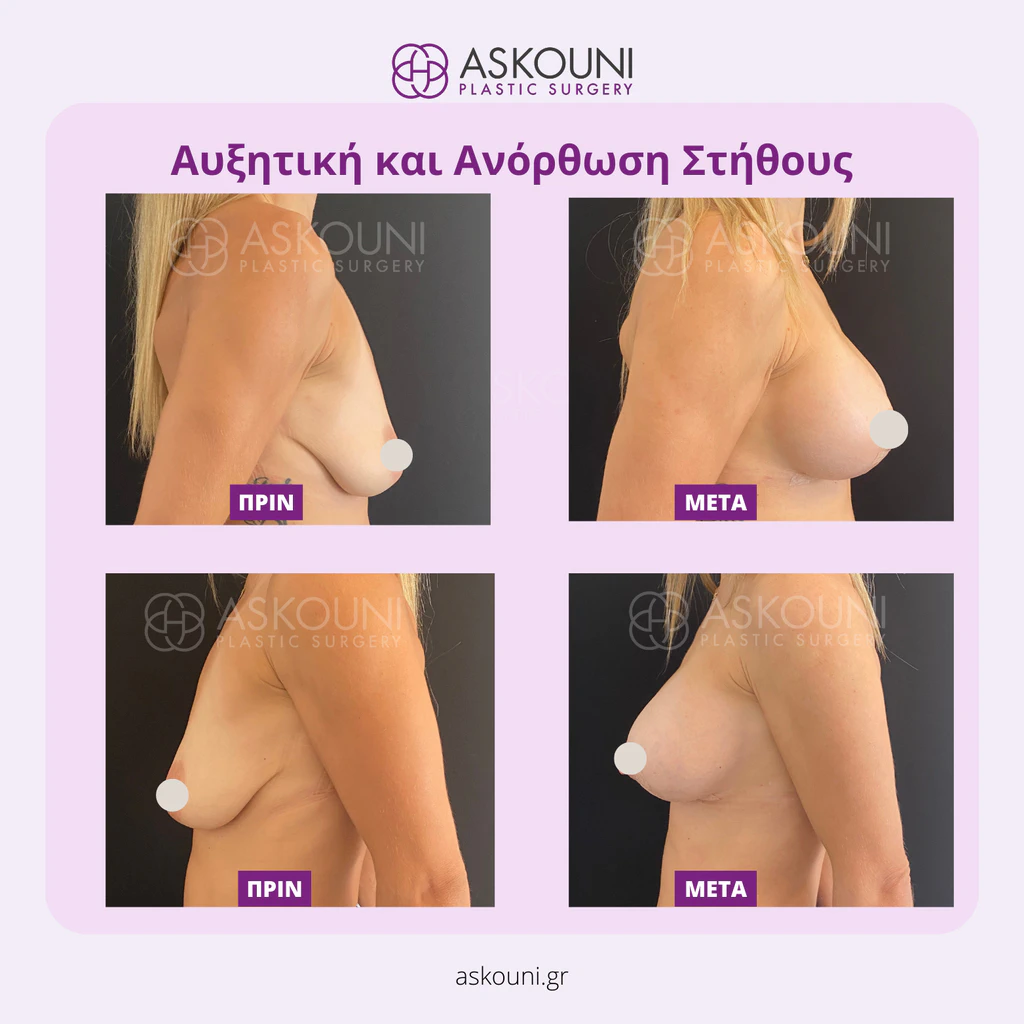
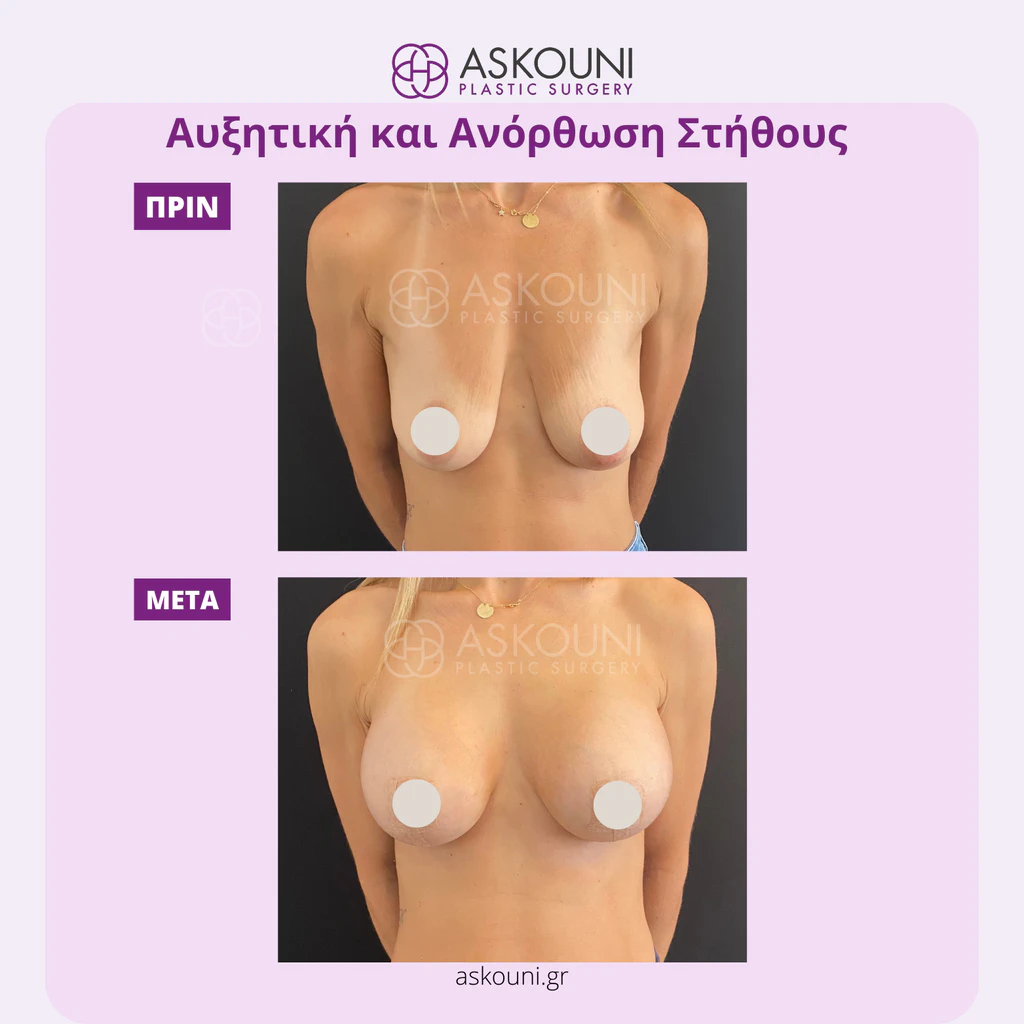
 Facebook Review
 Google Review
Google Review
Google Review
Google Review
Google Review
Google Review
Google Review