Breast Reduction

Breast Reduction: Achieving Balance and Comfort
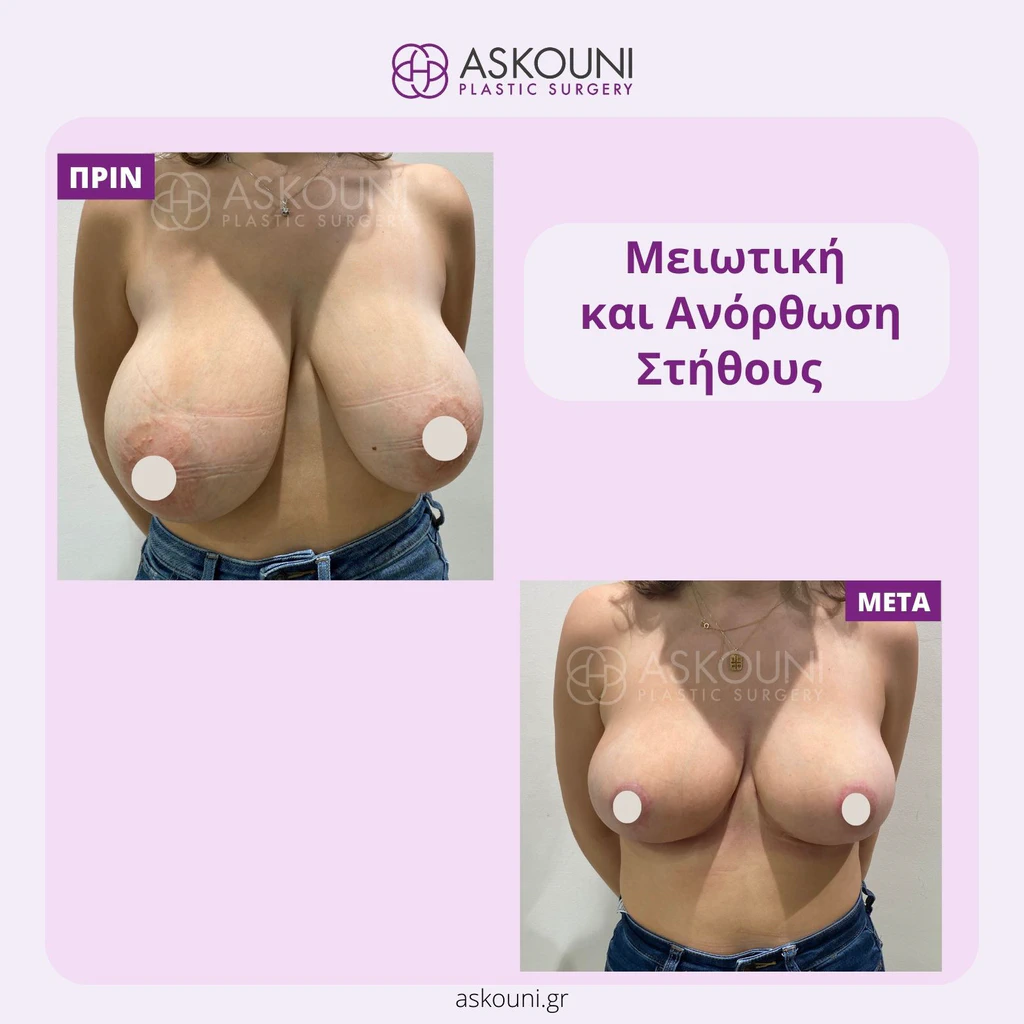
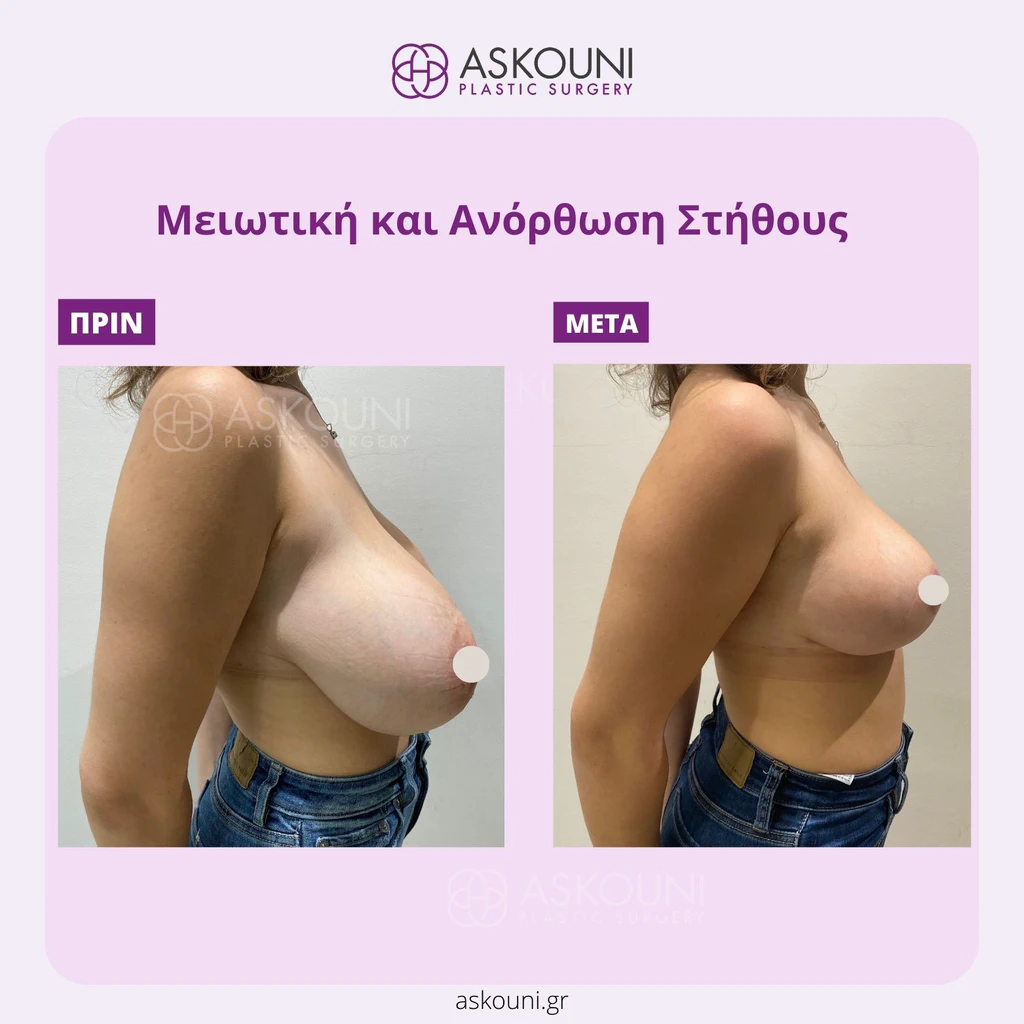
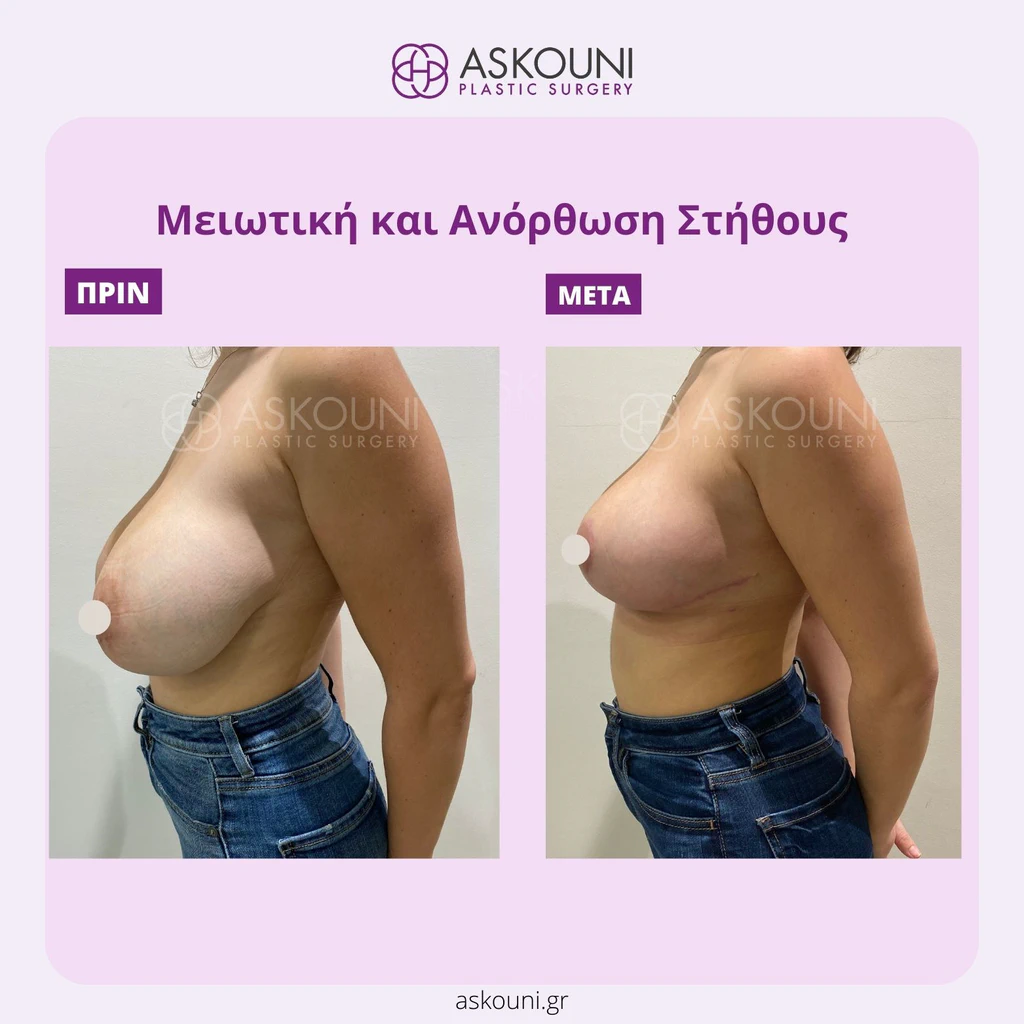
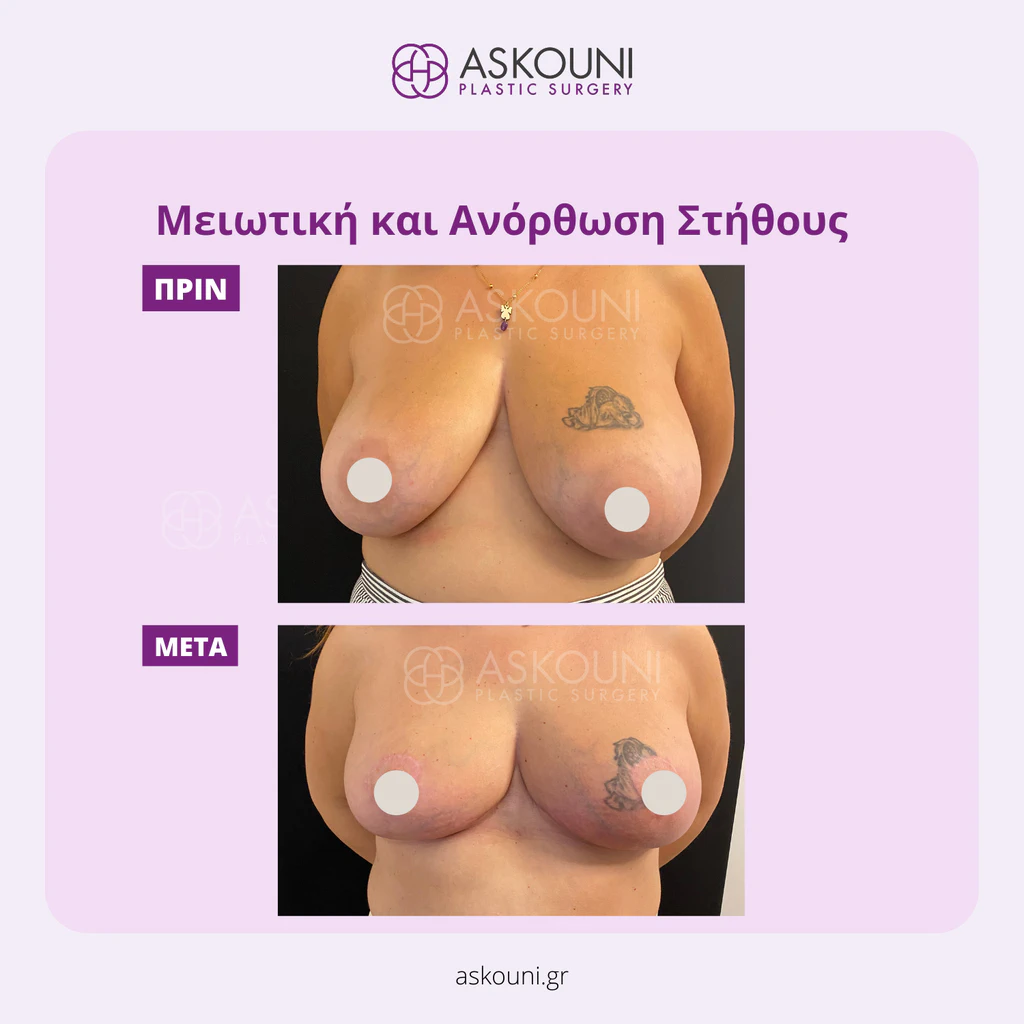
Breast reduction, or reduction mammoplasty, is a surgical procedure designed to create a more proportionate breast size and alleviate physical discomfort associated with overly large breasts. The goal is to achieve a natural, balanced contour that complements the patient’s body shape while improving comfort and posture. Each procedure is tailored to individual anatomy and aesthetic preferences, taking into account both form and function.
Candidate Suitability
Patients who may benefit from breast reduction typically experience one or more of the following:
- Physical discomfort such as neck, shoulder, or back pain caused by breast weight.
- Skin irritation or rashes beneath the breast fold due to friction or moisture.
- Difficulty finding well-fitting clothing or bras due to disproportionate breast size.
- Restricted mobility during daily activities or exercise.
- Desire for improved symmetry or reduction in breast volume for aesthetic balance.
Procedure Options and Techniques
Breast reduction involves carefully removing excess breast tissue, fat, and skin to achieve a lighter and shapelier breast contour. The specific surgical technique is chosen based on the amount of reduction desired and the individual’s anatomy.
Common surgical approaches include:
- Anchor (inverted-T) technique: Reshapes and uplifts the breast by removing tissue through incisions around the areola, vertically downward, and along the breast crease.
- Vertical (lollipop) technique: Suitable for moderate reductions with scars limited to around the areola and a single vertical line beneath the breast.
- Liposuction-assisted reduction: Used when excess tissue is primarily fatty and skin elasticity is adequate for natural retraction.
- Breast reduction combined with liposuction: Typically done in cases where fatty deposits or excess fat persist around the lateral chest, bra line, or underarms that are not fully addressed by traditional breast reduction. Liposuction complements the surgery by refining the contour along the outer breast and axilla, eliminating fat pockets, reducing asymmetry, and achieving a smoother transition from the breast to the chest wall and it is usually performed simultaneously during the breast reduction surgery.
Breast reduction is a well-established and generally safe surgical procedure. As with all surgeries, it involves some potential risks, including temporary changes in nipple sensation, asymmetry, and mild scarring. These occurrences are infrequent and typically resolve or improve over time.
Recovery and Aftercare
Following surgery, patients can expect improved comfort as swelling gradually subsides. Recovery varies individually, but certain guidelines support smoother healing:
- Support garments are worn to maintain breast shape and reduce swelling.
- Sutures are placed carefully to encourage smooth healing with minimal tension on the scars.
- Daily activities can usually be resumed within one to two weeks, but it’s best to avoid heavy lifting until healing progresses.
- Light exercise may begin after the second week, with gradual return to more vigorous activity after 6 weeks.
- Scars will soften and fade progressively, though their final appearance depends on individual healing patterns.
Breast reduction surgery provides both aesthetic refinement and relief from physical strain, leading to proportionate and natural-looking results that evolve gracefully over the months following the procedure.
Before & After
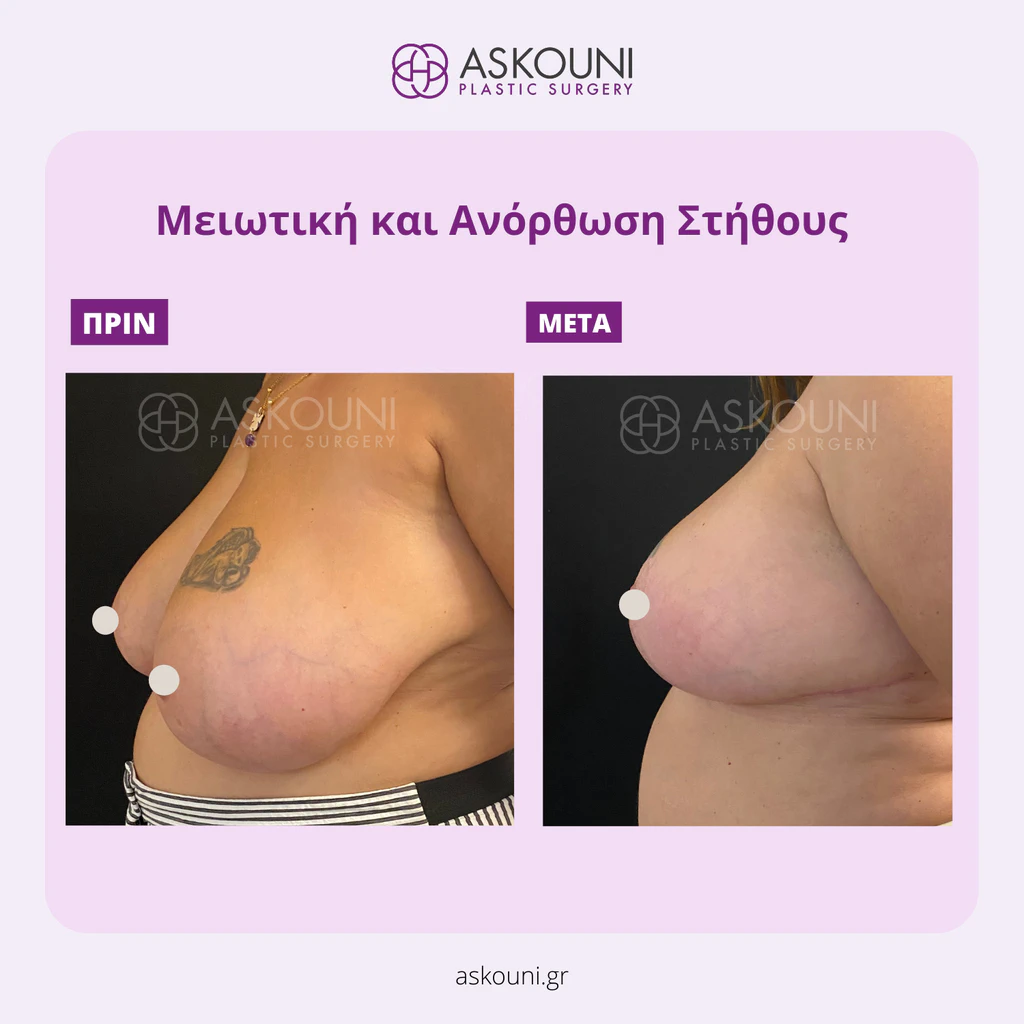
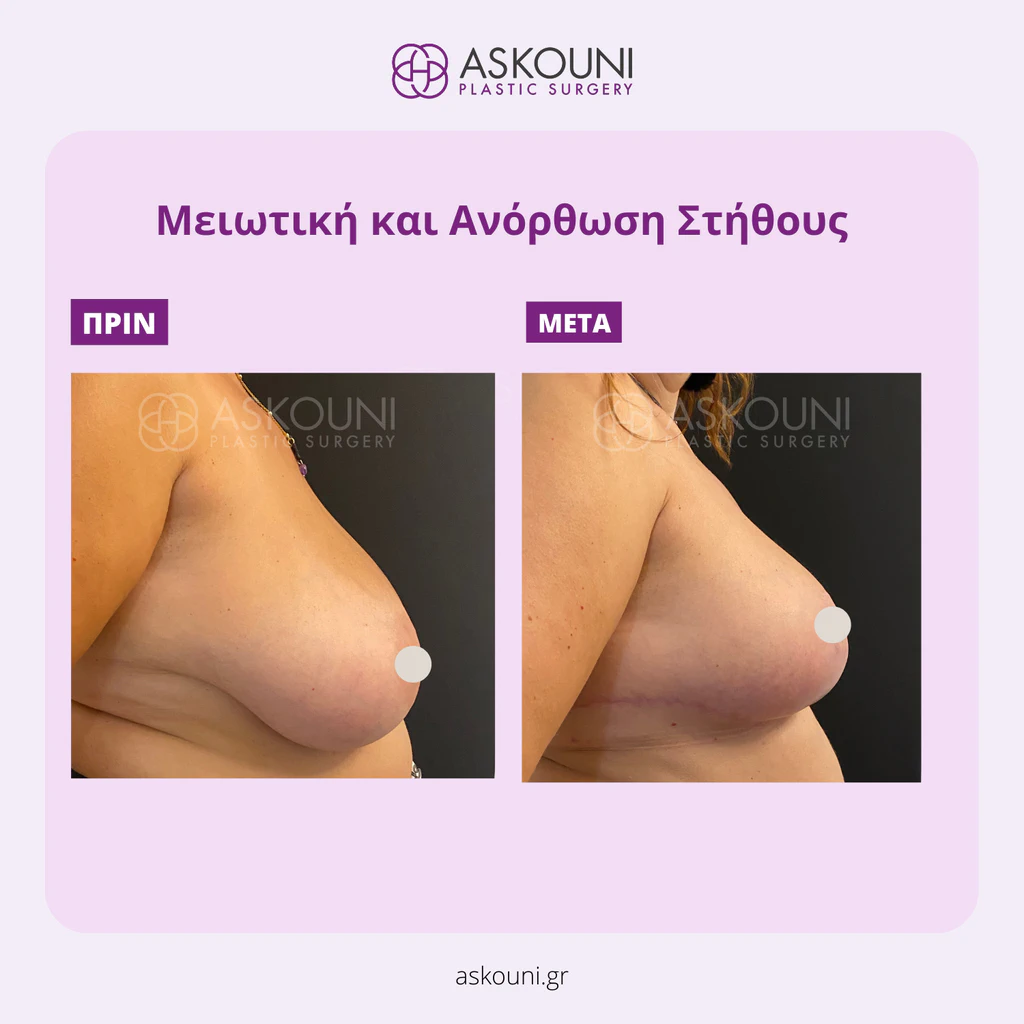
 Google Review
 Facebook Review
Google Review
Google Review
Google Review
Facebook Review
Google Review
Google Review
Google Review