Face Lift
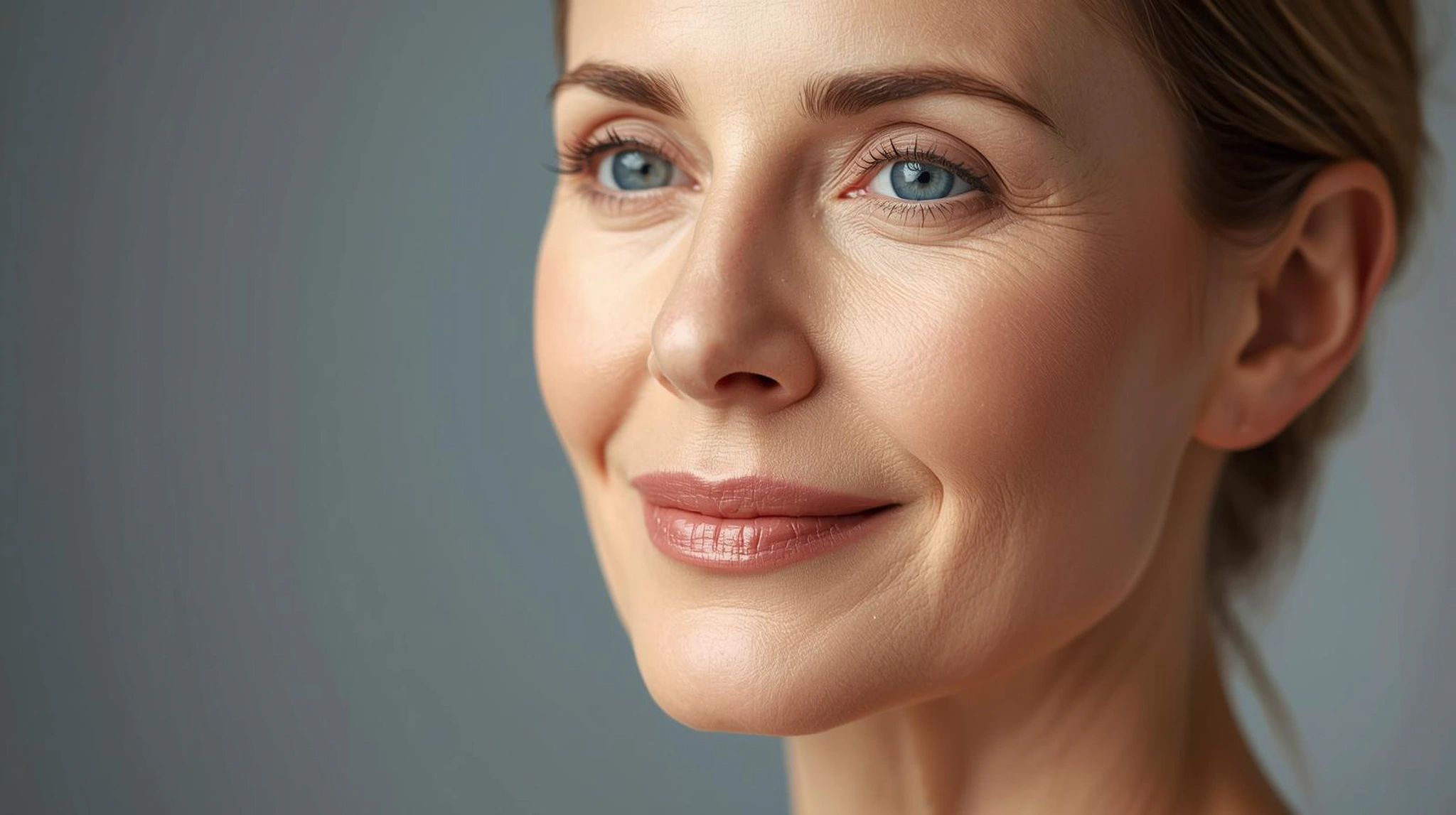
Rediscover Facial Harmony with Face Lift Surgery
Face lift surgery (rhytidectomy) is a refined procedure designed to rejuvenate the face by repositioning underlying tissues and tightening the skin for a smoother, more youthful appearance. It addresses visible signs of facial ageing, such as sagging skin, jowls, and deep creases, while maintaining a natural look that reflects the patient’s own features. Techniques have advanced considerably, allowing modern face lifts to deliver more subtle and balanced enhancements than ever before.
Candidate Suitability
Face lift surgery may be suitable for individuals who:
- Notice skin laxity or sagging along the midface, jawline, or neck area.
- Wish to improve the appearance of deep nasolabial folds or marionette lines.
- Have good underlying bone structure and skin elasticity to support a lasting improvement.
- Desire an overall refreshed appearance while maintaining natural facial expression and individuality.
- Are in good general health, allowing them to undergo surgery safely and recover properly.
Procedure Options and Techniques
There are several recognised approaches to face lift surgery, each tailored to the patient’s anatomy and aesthetic goals.
- SMAS Face Lift – Repositions the deeper facial layer known as the superficial musculoaponeurotic system (SMAS) to address both skin and structural sagging, creating long-lasting results.
- Deep Plane Face Lift – Releases and lifts deeper facial tissues in a continuous layer, providing a natural enhancement especially beneficial for midface and nasolabial folds.
- Mini Face Lift – A less extensive option using shorter incisions, suitable for patients with mild to moderate skin laxity who want subtle rejuvenation and quicker recovery.
- Neck Lift – Often performed alongside a face lift to improve neck contour and reduce banding or loose skin below the jawline.
- Temporal or Midface Lift – Focused on elevating cheek and eye areas, improving youthful contour around the midface and outer eye region.
Anaesthesia is typically general, allowing complete comfort during the procedure. Most patients stay overnight for observation and return home the next day.
After the operation, patients can expect some bruising, swelling, or a feeling of tightness that gradually improves over time. Temporary changes in skin sensation may occur but usually resolve as healing progresses. The entire recovery is closely guided to ensure the face settles evenly and regains a natural, refreshed contour.
Recovery and Aftercare
Recovery is gradual, with most patients resuming light daily activities after the first week.
- Swelling and bruising tend to subside progressively over the first 7-10 days.
- Any fine incisions are carefully placed within natural creases or hairlines to minimise visibility.
- Gentle movements and light exercise are encouraged after two weeks, with more strenuous activity resumed once the healing process advances.
- Long-term outcomes develop gradually as tissues settle and the final shape refines over a few months.
- Patients are given detailed instructions to support comfort and healing during the postoperative phase.
A tailored face lift plan ensures each patient achieves rejuvenation that feels elegant and balanced. Further details about recovery expectations and follow-up arrangements will be discussed in detail during your consultation.
 Google Review
 Facebook Review
Google Review
Google Review
Google Review
Facebook Review
Google Review
Google Review
Google Review