Otoplasty
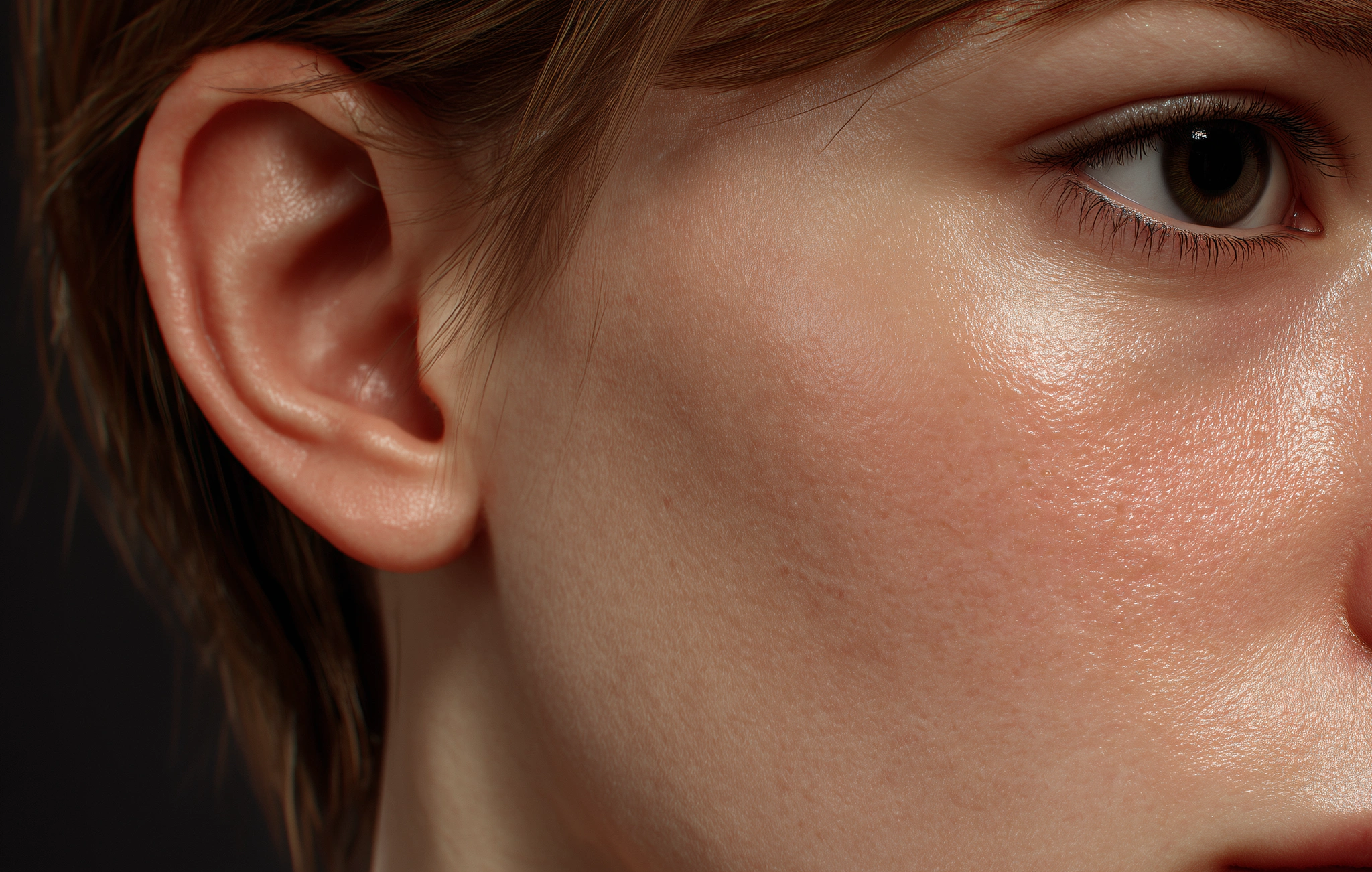
Otoplasty: Refining the Shape and Balance of the Ears
Otoplasty, often known as ear reshaping surgery, is a procedure designed to improve the position, shape, or proportion of the ears. It helps correct ears that stick out too far or appear disproportionately large, creating a natural symmetry that blends harmoniously with the rest of the facial features. The procedure is tailored to each individual, ensuring that the results appear subtle, refined, and in balance with the patient’s overall appearance.
Candidate Suitability
Otoplasty may be suitable for individuals who:
- Have ears that protrude noticeably from the side of the head and wish to reposition them closer.
- Feel that the size or shape of their ears doesn’t match their facial proportions.
- Have suffered ear asymmetry due to injury.
- Have fully developed ear sizes and their cartilage is stable enough for correction, which typically occurs by the age of 5 years onward.
Procedure Options and Techniques
Depending on anatomical characteristics and aesthetic goals, otoplasty can be performed using different methods:
- Cartilage reshaping or scoring: The cartilage is sculpted to achieve a more natural contour and position.
- Cartilage folding and suturing: Fine sutures are placed to reposition and secure the ear closer to the head without removing cartilage.
- Reduction techniques: In cases of overly large ears, excess cartilage or skin may be carefully trimmed.
- Correction of asymmetry: Each ear can be individually tailored to improve balance and alignment.
The procedure is typically performed under local or general anaesthetic, depending on the patient’s needs and preferences. Most patients return home the same day, without an overnight stay.
While otoplasty is considered a safe and routine operation, as with any surgical procedure, there is a small possibility of temporary discomfort, mild swelling, or subtle asymmetry. These are generally well-managed and improve as healing progresses.
Recovery and Aftercare
- After the procedure, the ears are supported with a special elastic bandage for approximately one week.
- This is followed by wearing an elastic headband for 3-4 weeks, especially during sleep, to maintain the new ear position.
- Mild swelling or sensitivity is common for the first few days and gradually subsides.
- Light daily activities may be resumed shortly after surgery, but physical exercise is usually postponed for 6 weeks.
- The final contour continues to refine in the months following surgery, as tissues settle into their new shape.
Otoplasty offers a lasting improvement in ear shape and symmetry, enhancing facial harmony without altering the patient’s natural features. Each procedure is thoughtfully planned to achieve balanced, refined results suited to the individual’s anatomy and aesthetic goals.
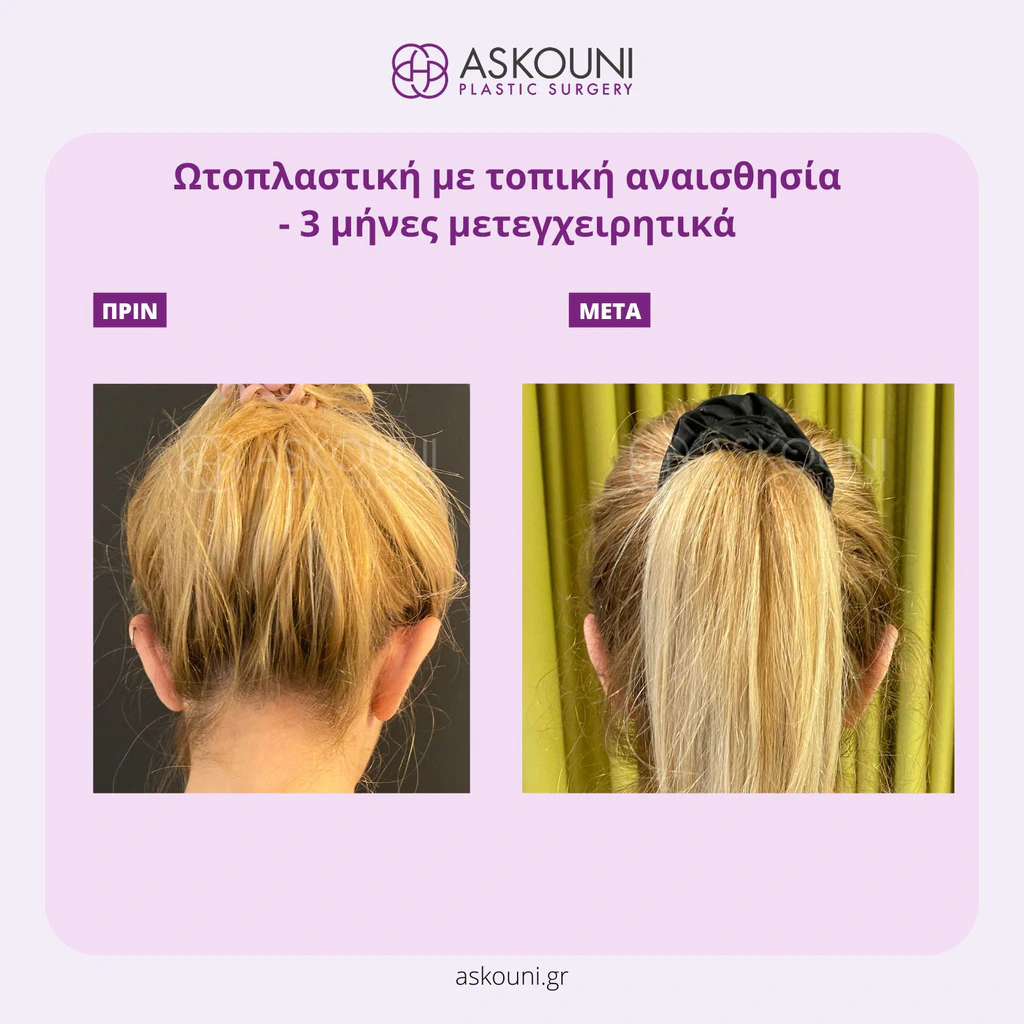
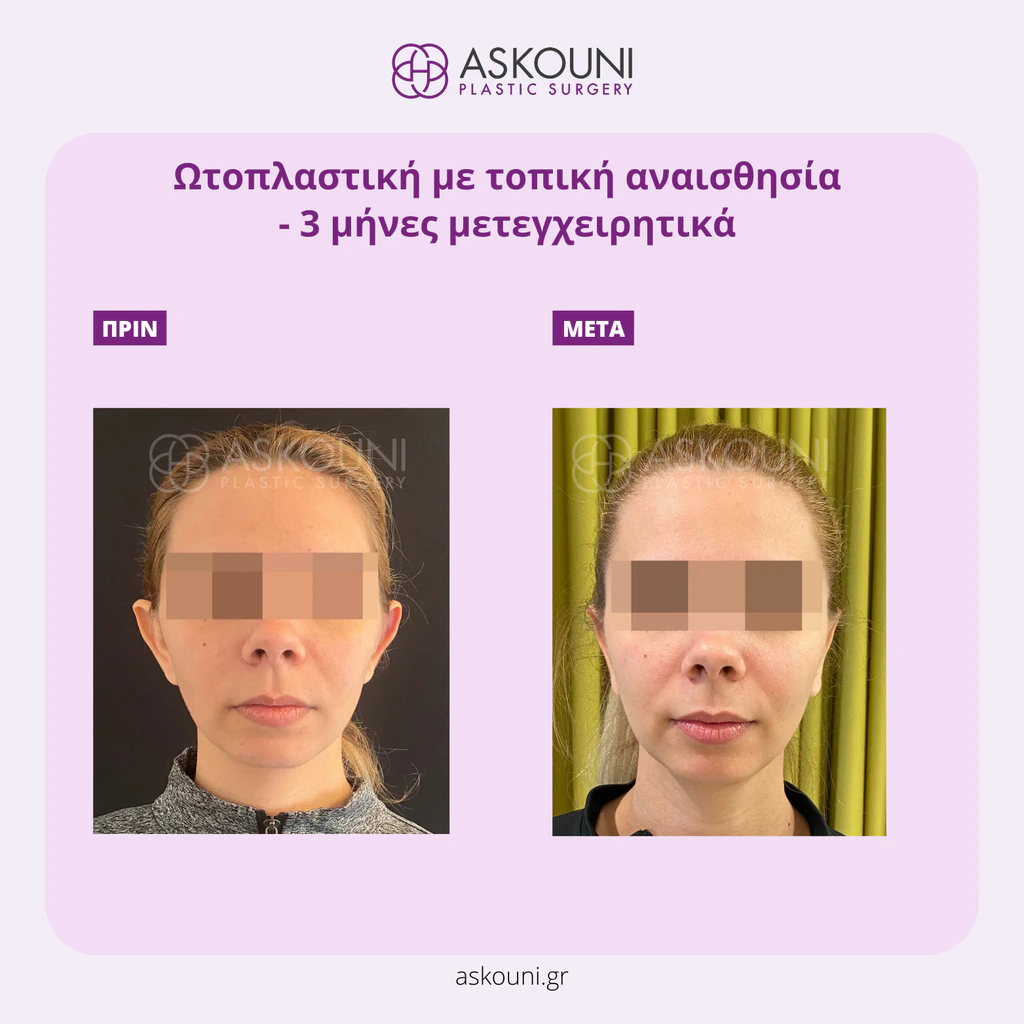
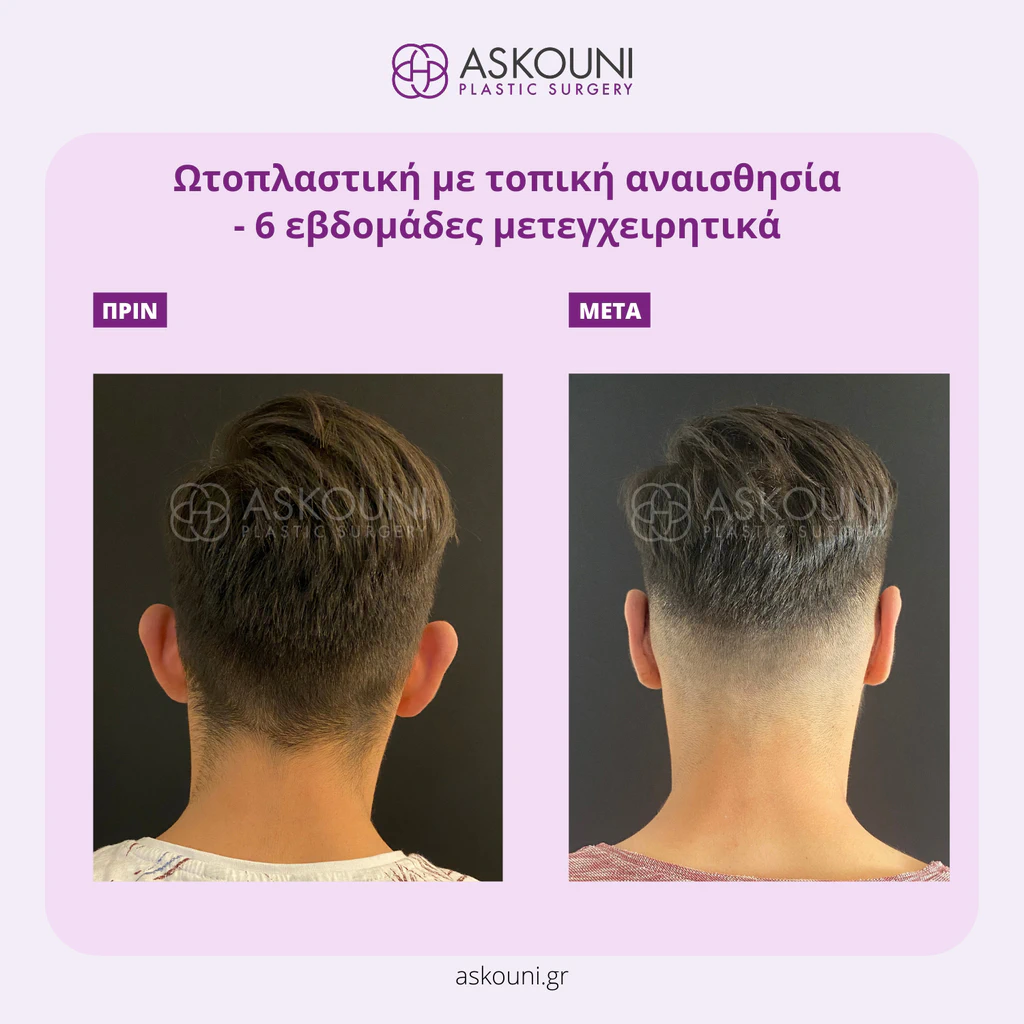
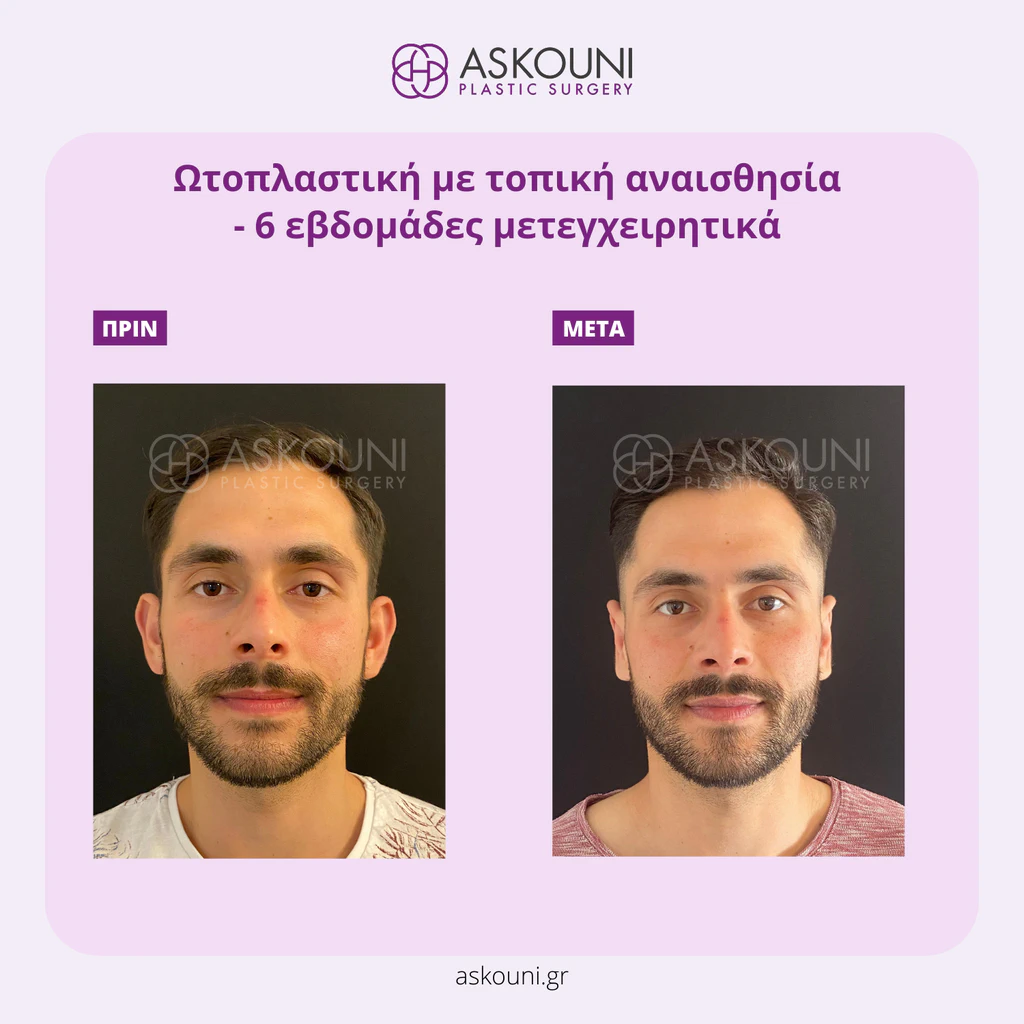
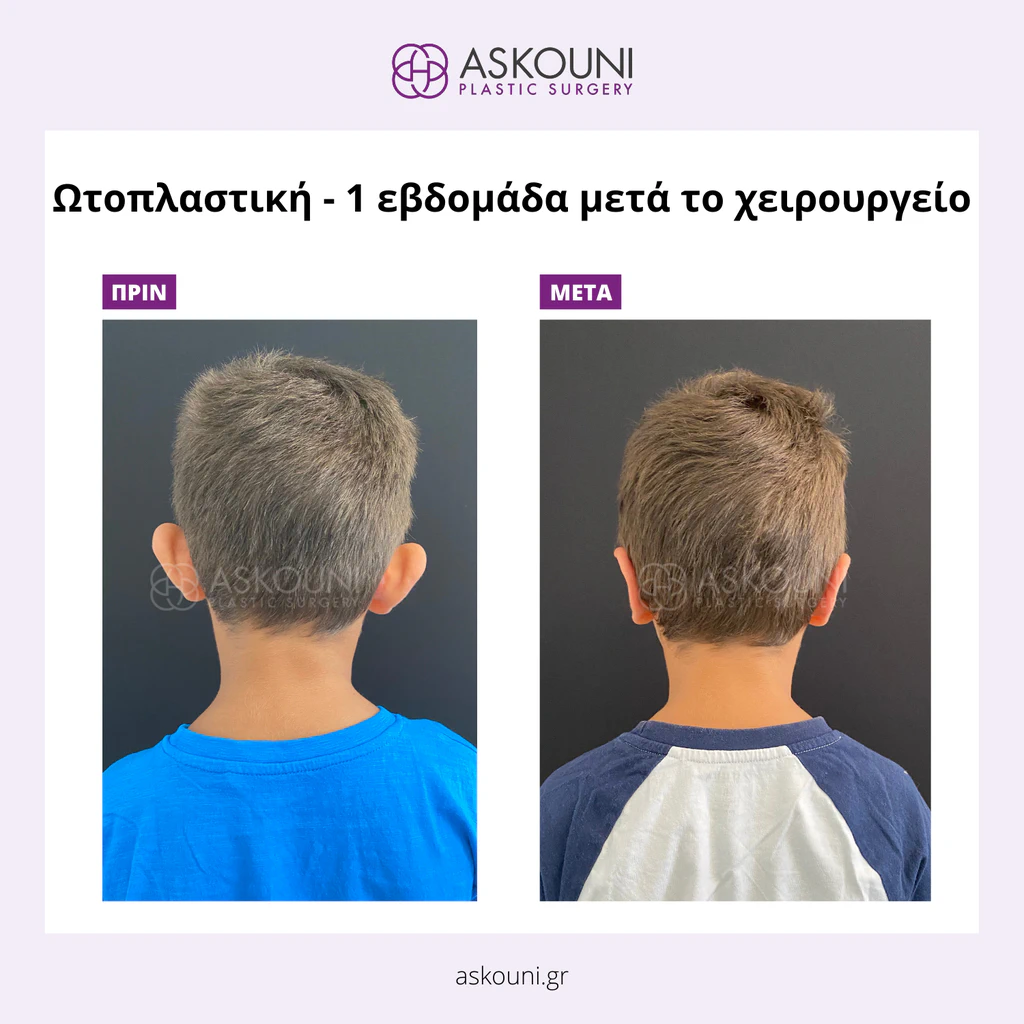
Before & After
 Google Review
Google Review
Google Review
 Facebook Review
Google Review
Google Review
Facebook Review
Google Review
Google Review